




Home Academics

Academics

Admissions Open Pre-KG to XII
Age-Based Eligibility
Document Verification
Counselling & Guidance
LKG Admission Process
Higher Secondary Admission
Transfer Certificate
Admission Enquiry
Admissions Open Pre-KG to XII
Age-Based Eligibility
Document Verification
Counselling & Guidance
LKG Admission Process
Higher Secondary Admission
Transfer Certificate
Admission Enquiry
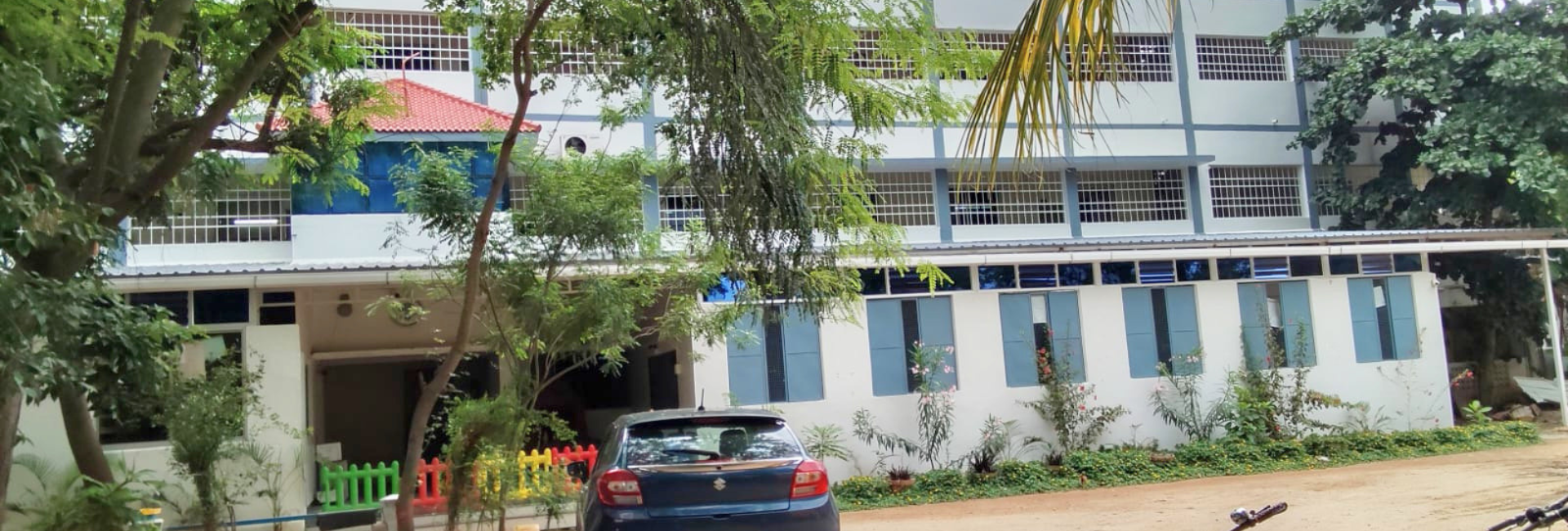
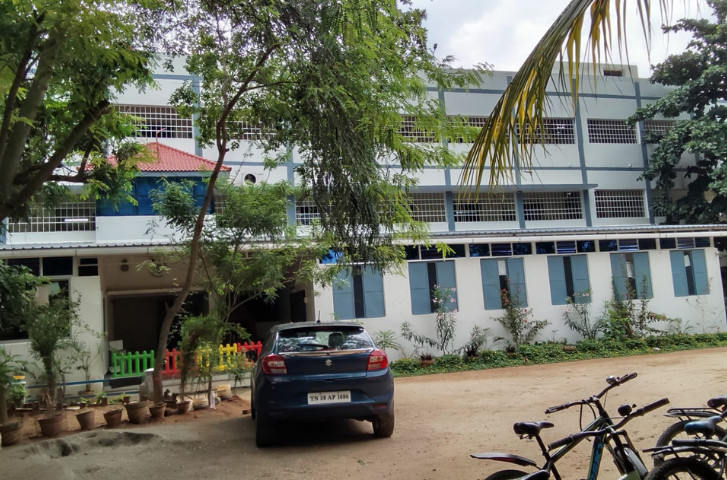
Ponmani School

Ponmani Matriculation Higher Secondary School is committed to providing a strong academic foundation that nurtures knowledge, creativity, discipline, and intellectual growth among students. The school follows a student-centered learning approach that combines classroom teaching, practical exposure, continuous evaluation, and co-curricular participation to ensure holistic academic development. With experienced faculty members and a structured educational system, the institution continuously motivates students to achieve academic excellence and personal growth.

Curriculum Highlights

Well-structured academic framework

Concept-oriented teaching methodology

Subject-wise academic planning

Practical and activity-based learning

Academic support for slow learners

Advanced guidance for high achievers
Curriculum

Curriculum Structure

The school follows the Matriculation syllabus prescribed by the Government of Tamil Nadu up to Higher Secondary level. The curriculum is carefully planned to promote conceptual understanding, analytical thinking, communication skills, creativity, and practical learning among students.

  • Well-structured academic framework
  • Concept-oriented teaching methodology
  • Subject-wise academic planning
  • Practical and activity-based learning
  • Academic support for slow learners
  • Advanced guidance for high achievers
  • Equal importance to scholastic and co-scholastic development
Ponmani School

The school provides multilingual learning opportunities to strengthen communication abilities and cultural understanding among students.

  • English – First Language / Medium of Instruction
  • Tamil – Second Language
  • Hindi – Third Language
  • Reading, writing, speaking, and comprehension skill development

The academic year is divided into three trimesters to ensure systematic learning, periodic evaluation, and continuous academic progress. This structured system helps students learn concepts effectively without academic pressure and supports regular revision and performance improvement.

  • First Trimester
  • Second Trimester
  • Third Trimester
  • Mid-Term Examinations
  • Terminal Examinations
  • Annual Examination

Ponmani School follows a continuous assessment system to evaluate students regularly through various academic activities and examinations. The system focuses on both academic performance and overall learning progress throughout the year.

  • Unit Tests
  • Mid-Term Examinations
  • Terminal Examinations
  • Oral Assessments
  • Assignments
  • Projects
  • Classroom Activities
  • Attendance Evaluation
  • Behavior and Discipline Assessment

The school adopts an effective internal assessment methodology that measures students' understanding, participation, creativity, and practical application skills. Continuous monitoring and evaluation help teachers identify individual learning needs and provide necessary academic support.

  • Classwork Evaluation
  • Homework Assessment
  • Individual Projects
  • Group Activities
  • Worksheets
  • Seminars
  • Quiz Competitions
  • Subject Assignments
  • Classroom Participation

The school continuously strives to maintain high academic standards through systematic coaching, regular practice sessions, revision programmes, and personalized guidance. Special attention is given to board examination preparation and performance improvement strategies.

  • Remedial Coaching
  • Special Classes
  • Examination Preparation Sessions
  • Revision Programmes
  • Individual Academic Guidance
  • Performance Analysis
  • Motivational Support

Projects and assignments are integrated into the academic system to enhance independent learning, research ability, creativity, and practical understanding among students. These activities encourage students to explore concepts beyond textbooks and develop presentation and analytical skills.

  • Improves critical thinking
  • Encourages teamwork and collaboration
  • Enhances creativity and innovation
  • Develops communication skills
  • Promotes practical learning experience

The school maintains a systematic process for monitoring the academic progress and overall development of every student. Regular evaluations, parent interactions, and performance reviews help ensure continuous improvement and academic success.

  • Periodic Academic Reviews
  • Progress Reports
  • Parent-Teacher Meetings
  • Attendance Tracking
  • Subject-Wise Performance Analysis
  • Behavioural Observation
  • Academic Counselling
  • Individual Student Guidance